


Thank you for being here. You are receiving this email because you subscribed to Idée Fixe, the newsletter for curious minds. I’m Toni Cowan-Brown, a tech and F1 commentator. I’m a former tech executive who has spent the past five years on the floor of way too many F1, FE, and WEC team garages, learning about the business, politics, and technology of motorsports.
⏳ Reading time: 4mins
A quick check-in. Happy New Year, everyone. I hope you spend the holidays exactly the way you wanted with the people you love and matter to you. If that wasn’t the case this year, I hope you got moments of peace and joy nonetheless.
I, for one, am excited to leave 2025 behind and step into a new year. 2025 was full of highs and incredible firsts but also full of low points that broke me in more ways than one. Time seems to be very much top of mind during this period, so let’s talk about time and Formula 1 through the lens of a ‘not-so-new’ sponsor.
In Formula 1, thousandths of a second separate triumph from oblivion. It’s fitting, then, that the sport’s newest - or rather, returning - Official Timekeeper is a brand that has spent over half a century trying to prove that luxury and precision aren’t mutually exclusive.
TAG Heuer’s return to F1 in January 2025, displacing Rolex, which has found success in the world of endurance, arrives wrapped in LVMH’s audacious $1 billion, ten-year bet on motorsport. It’s a homecoming, yes, but one that raises a big question: in an era where clocks sync to satellites and race telemetry runs on AWS infrastructure, what exactly does a luxury watchmaker bring to the timing conversation beyond heritage and marketing muscle?
The heritage play (and why it actually matters)
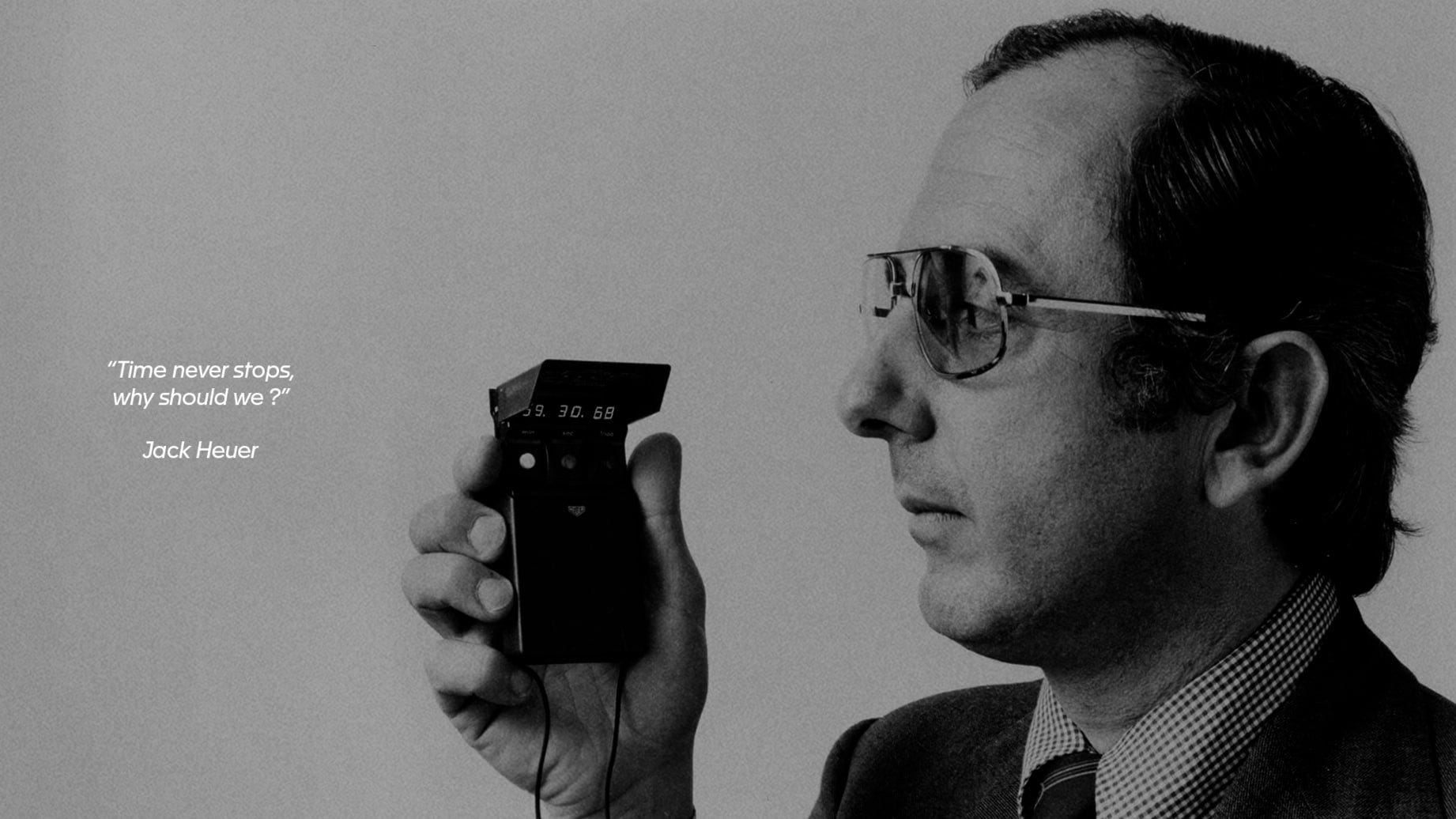
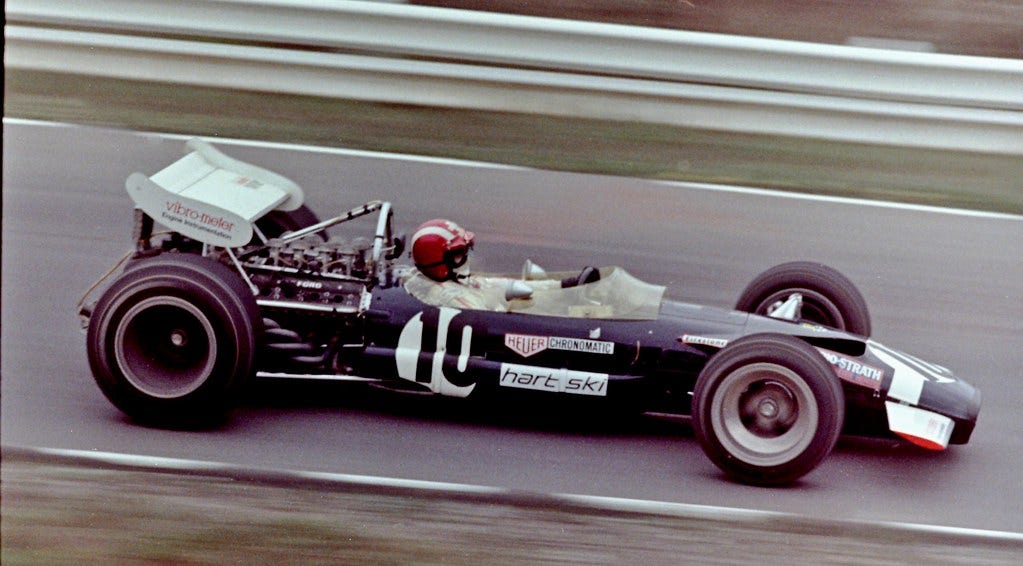
TAG Heuer’s motorsport credentials run deep. In 1969, it became the first luxury brand to slap its logo on an F1 car - a move that was equal parts audacious and prescient. By 1971, it was sponsoring entire teams, and in 1973 came the game-changing partnership as described in this piece in Lux Magazine.
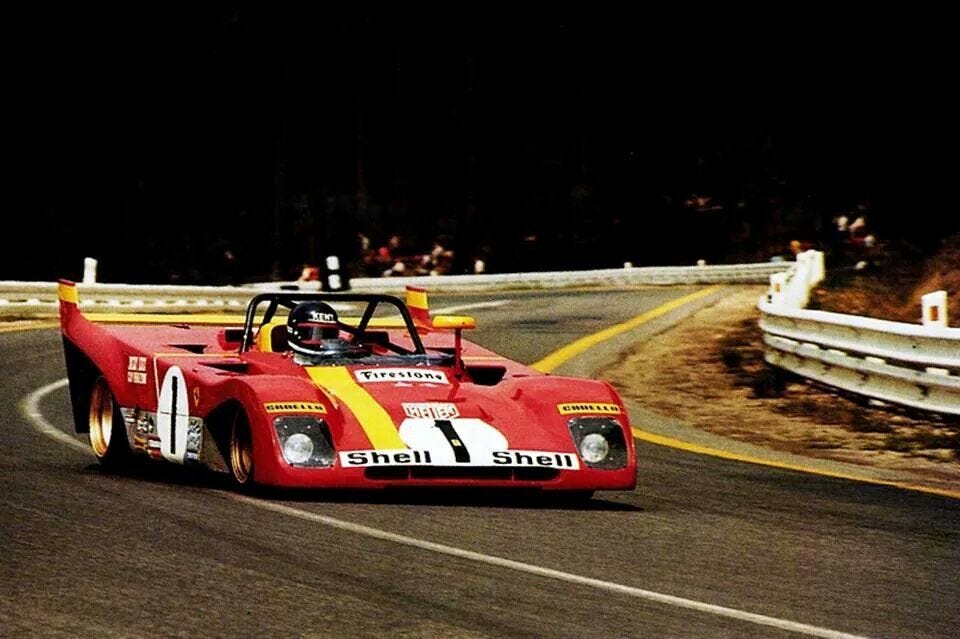
In 1973, he [Jack Heuer] did a deal with the biggest motorsport name of all, Enzo Ferrari, becoming the Scuderia’s official time-keeper, both in Formula One but also at the then recently constructed Fiorano circuit.
From 1992 to 2003, the brand served as Official Timekeeper, supplying the pit lane clocks and trackside displays that powered broadcasts before the sport’s digital revolution.
But nostalgia only gets you so far. What makes this partnership more than a glossy throwback is the current context: F1 is experiencing its most dramatic cultural shift since the turbo era. “Drive to Survive” and TikTok didn’t just bring in new fans; they fundamentally rewired how the sport thinks about storytelling, accessibility, and brand positioning. LVMH isn’t buying into the F1 of yesteryear; it’s betting on what the sport is becoming. And very much paying attention to the audience it’s attracting.
The $1 billion question
The LVMH deal isn’t just about TAG Heuer. It’s a portfolio play that puts Louis Vuitton trophy cases in parc fermé, returns Moët & Chandon to the podium (finally, actual Champagne again), and makes TAG the first-ever title sponsor of the Monaco Grand Prix - a race that, in 75 years, has never sold its title until this year (2025). That alone tells you something about the deal’s scale and F1’s shifting relationship with commercial partnerships.
But here’s what’s interesting: while Rolex brought gravitas and understated prestige, TAG Heuer brings something F1 desperately wants - technical credibility with a younger, digitally native audience. I think we will be seeing a lot of this, too, with the recent Apple media rights deal. TAG Heuer is the watch worn by the founder, who just raised a Series B - its demographic skews younger and more tech-savvy.
Beyond the billboards: here’s where it gets interesting
Strip away the press releases and a few things key things emerge:
First, there's an interesting tension here. TAG Heuer's actual role appears to be primarily ceremonial - custom pit lane clocks and branding - while AWS, for example, handles the real computational heavy lifting of processing 1.1 million data points per second from race cars. But perception matters. By positioning itself as the "Official Timekeeper" in an era where timing means machine learning models and cloud infrastructure, TAG Heuer is attempting to claim ownership of precision itself by proxy, even if it's not doing the backend work. It's a smart play: let AWS build the invisible infrastructure while you put your logo on the physical manifestation of time. The question is whether fans will buy the association. It is worth pointing out that in their previous stint (1992-2003), they introduced transponder systems for automatic car identification and lap time recording.
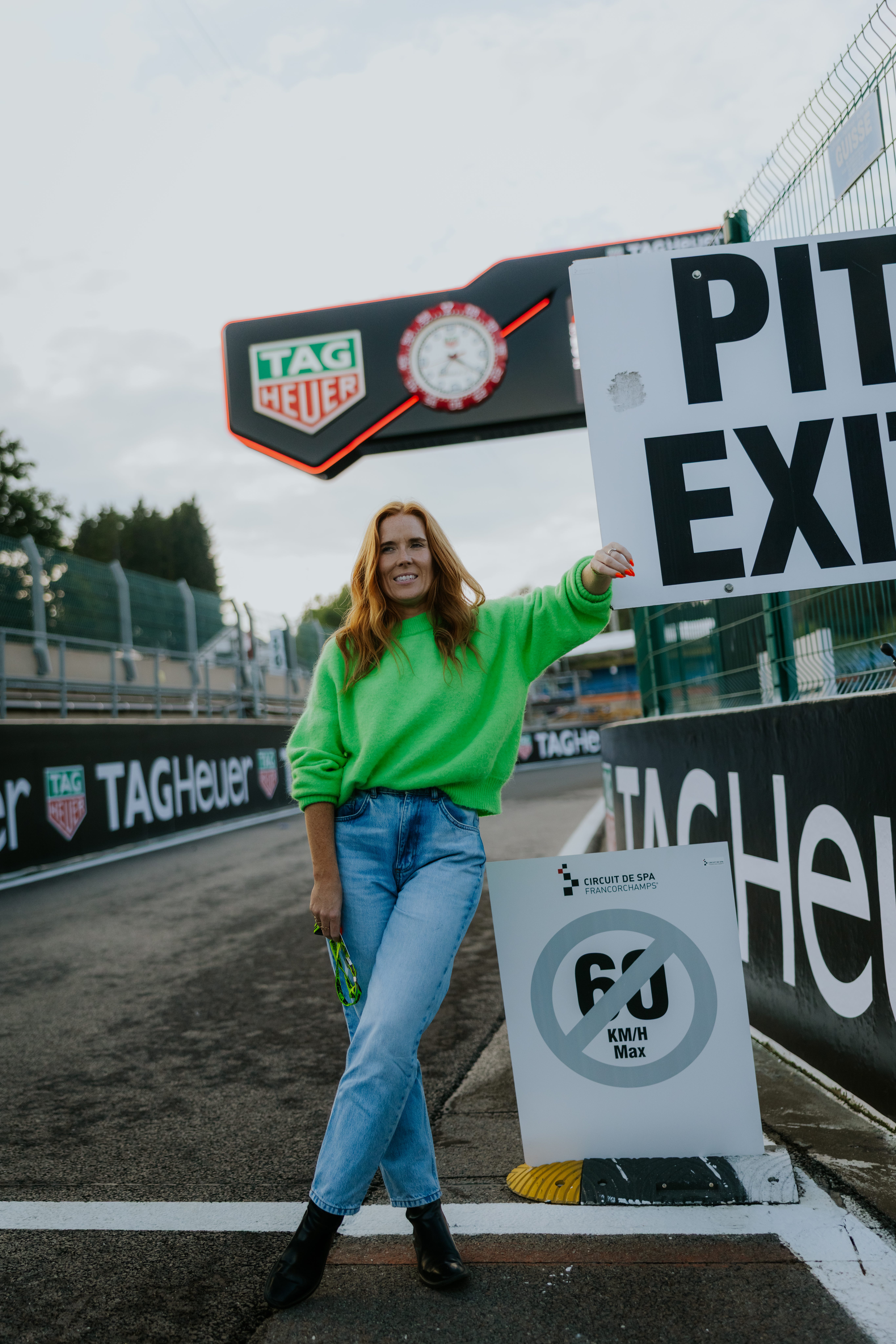
Second, the F1 Academy partnership is shrewder than it looks. TAG Heuer is also the Official Timekeeper of F1 Academy, the all-female racing series launched to address motorsport’s glaring diversity problem. On the surface, this looks like textbook “do good/feel good” window-dressing. But there’s a sharper play here: by aligning with the sport’s future talent pipeline rather than just its current stars, TAG positions itself as essential infrastructure for F1’s next generation. It’s the same strategy tech companies use when they give free tools to students - capture them early, and they’ll stay loyal.
What I think we can expect: predictions and strategic implications
Expect TAG Heuer to lean heavily into limited-edition timepieces that blur the line between mechanical watches and connected devices. The real test will be whether they can create smart-analogue hybrids that integrate live race data without feeling gimmicky.
More broadly, this partnership is a test case for whether traditional luxury brands can remain relevant in sports increasingly defined by data, technology, and digital engagement. Rolex bet on timelessness. TAG Heuer is betting on velocity.
The verdict (so far)
Here’s the uncomfortable truth: we won’t know if this partnership succeeds for at least three seasons. Brand integrations take time to mature, and F1’s audience - both the die-hards and the Netflix and social converts - are paying closer attention than ever before to the brands associating themselves with the sport.
But if they use this platform to genuinely innovate, if the timing systems become meaningfully better, if the fan experiences feel richer, if the F1 Academy partnership produces tangible results, then this could be remembered as the moment when luxury and technology stopped pretending to coexist and actually merged. In F1, timing is everything. TAG Heuer has ten years to prove it’s playing a central role.