


Thank you for being here. You are receiving this email because you subscribed to Idée Fixe, the newsletter for curious minds. I’m Toni Cowan-Brown, a tech and F1 commentator. I’m a former tech executive who has spent the past five years on the floor of way too many F1, FE, and WEC team garages, learning about the business, politics, and technology of motorsports.

⏳ Reading time: 5 minutes
Shift Happens, weekly pivots where motorsport collides with tech and culture. Essentially, a roundup of the headlines in and around motorsport you should be aware of. I’m introducing this alongside my weekly deep dives. I hope you enjoy this new curated format.
The lead lap
One story you might have missed during the Vegas GP weekend is this one - Toto Wolff sold a 15% stake in his holding company to CrowdStrike CEO George Kurtz, which translates to approximately 5% of the Mercedes F1 team overall. CrowdStrike, a cybersecurity technology company, became a Global Partner with the Mercedes-AMG Petronas F1 Team in 2019, and this transaction values Mercedes at around $6 billion, making it the most valuable F1 team ever, surpassing McLaren and Ferrari’s recent $4.7 billion valuations.
Kurtz, who founded CrowdStrike and is an accomplished endurance racing driver with wins at Le Mans. He also joins the team’s strategic steering committee (and will serve as a technology advisor to the team), alongside Chairman of the Board of Management of Mercedes-Benz Group AG Ola Källenius, INEOS Group Founder and Chairman Sir Jim Ratcliffe, and Toto Wolff. According to a press release, “the governance of the team remains unchanged, and Wolff continues in all existing executive roles.”
This acquisition is absolutely indicative of something broader happening in Formula 1. Let’s consider that Wolff’s initial 30% investment in 2013 valued the team at just $165 million, meaning his stake has appreciated roughly $1.7 billion over 12 years - which is a pretty staggering return. The fact that a tech CEO and serious racing enthusiast like Kurtz is entering at this valuation suggests continued confidence in F1’s growth trajectory, particularly in technology integration and the US market expansion. Wolff’s willingness to cash out some chips while staying fully committed to operations is classic founder behaviour - realise some gains while maintaining control and upside. Wolff has made it clear that he isn’t going anywhere.
And if you want the broader story - beyond the Mercedes F1 team - about how cost caps and Netflix turned a “fading F1 team into a $5bn powerhouse”, go check out Stephen Clapham’s piece in his newsletter, Behind the Balance Sheet. LINK.
The number of the week
$20.63 Million. The Gordon Murray Special Vehicles S1 LM made automotive history last week in Las Vegas, selling for $20.63 million at an RM Sotheby’s auction during the Formula 1 Las Vegas Grand Prix weekend. The sale established a new record as the most expensive new car ever sold at auction, excluding charitable sales. This auction marks a watershed moment for modern automotive collecting. I watched a few meters away as Murray seemed a little in disbelief at how much his car was going for. He actually described the result as humbling and a defining moment for both his team and the automotive world, stating that the car represents everything he has learned across six decades of design.
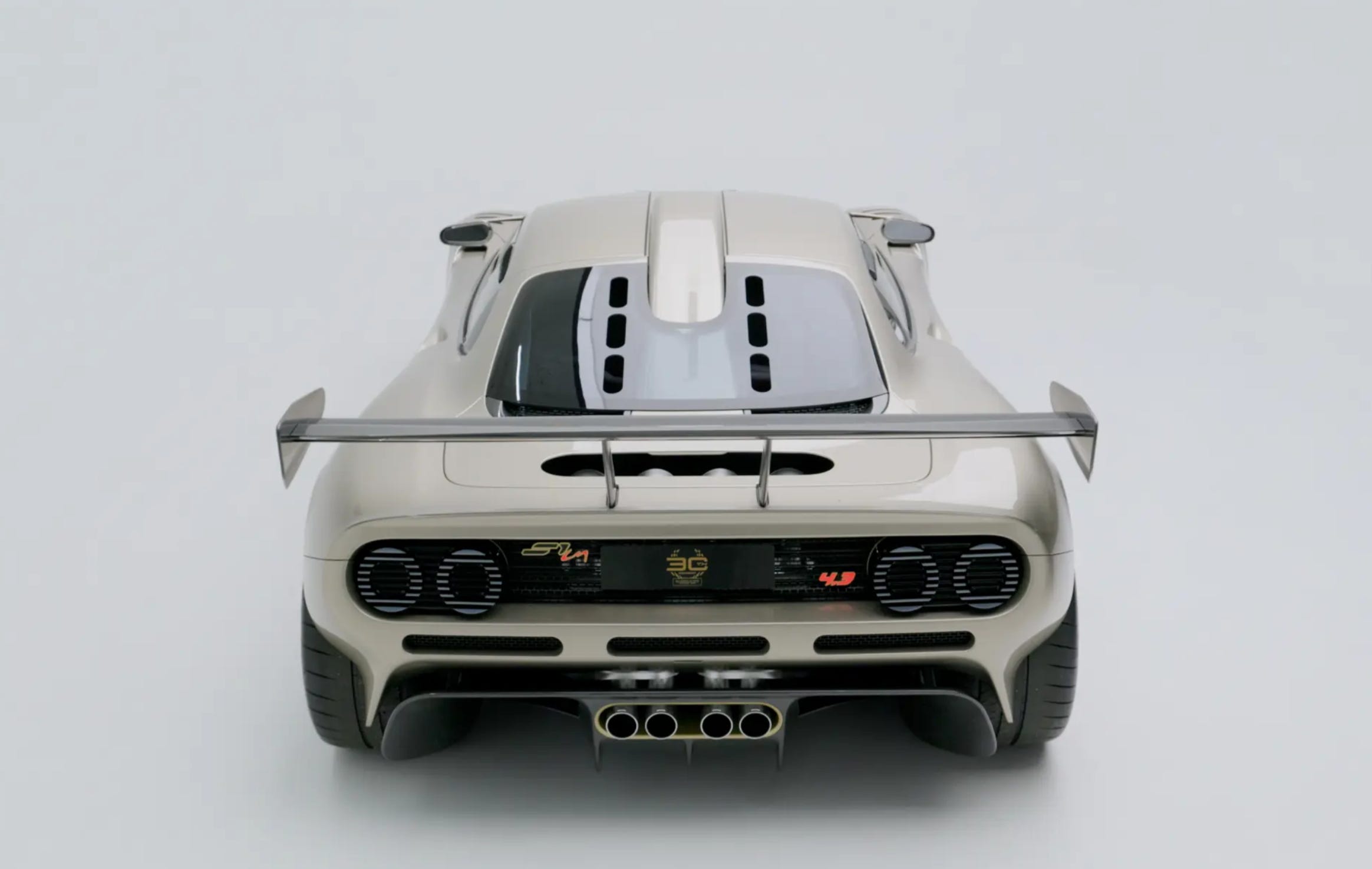
The fact that an unbuilt car commanded a price exceeding even the auction record for original McLaren F1s demonstrates the extraordinary value collectors place on direct involvement with automotive icons and the opportunity to own what may be one of the most significant modern supercars ever created. I’ll talk about the theatrics around the car’s arrival and the live auction itself in the ‘event’ section of this newsletter.
Three stories that need to be on your radar
The Las Vegas GP happened and it seems to have been a mixed bag. The numbers so far seem to be telling an impressive story of growth and scale. The race attracted 1.5 million television viewers, marking the largest audience in the event’s three-year history and representing nearly a 70 percent increase over last year’s race. The third Las Vegas F1 Grand Prix comes at a particularly opportune time for Las Vegas, which has been experiencing an economic downturn throughout 2025. Local tourism officials attributed the slowdown to waning consumer confidence, with concerns about the economy, jobs, and affordability causing visitors to postpone discretionary trips. While race week will boost tourism data, experts note the impact won’t be long-term, as the market for Formula One tourism is niche - meaning people specifically come for the race rather than it driving sustained year-round visitation. The 2025 race benefited from organisers learning from previous years’ mistakes, particularly around ticket pricing, which had dampened attendance in 2024. This year’s event featured expanded experiences, truly everywhere you looked there was something F1-related happening which was both incredible and overwhelming. Link.
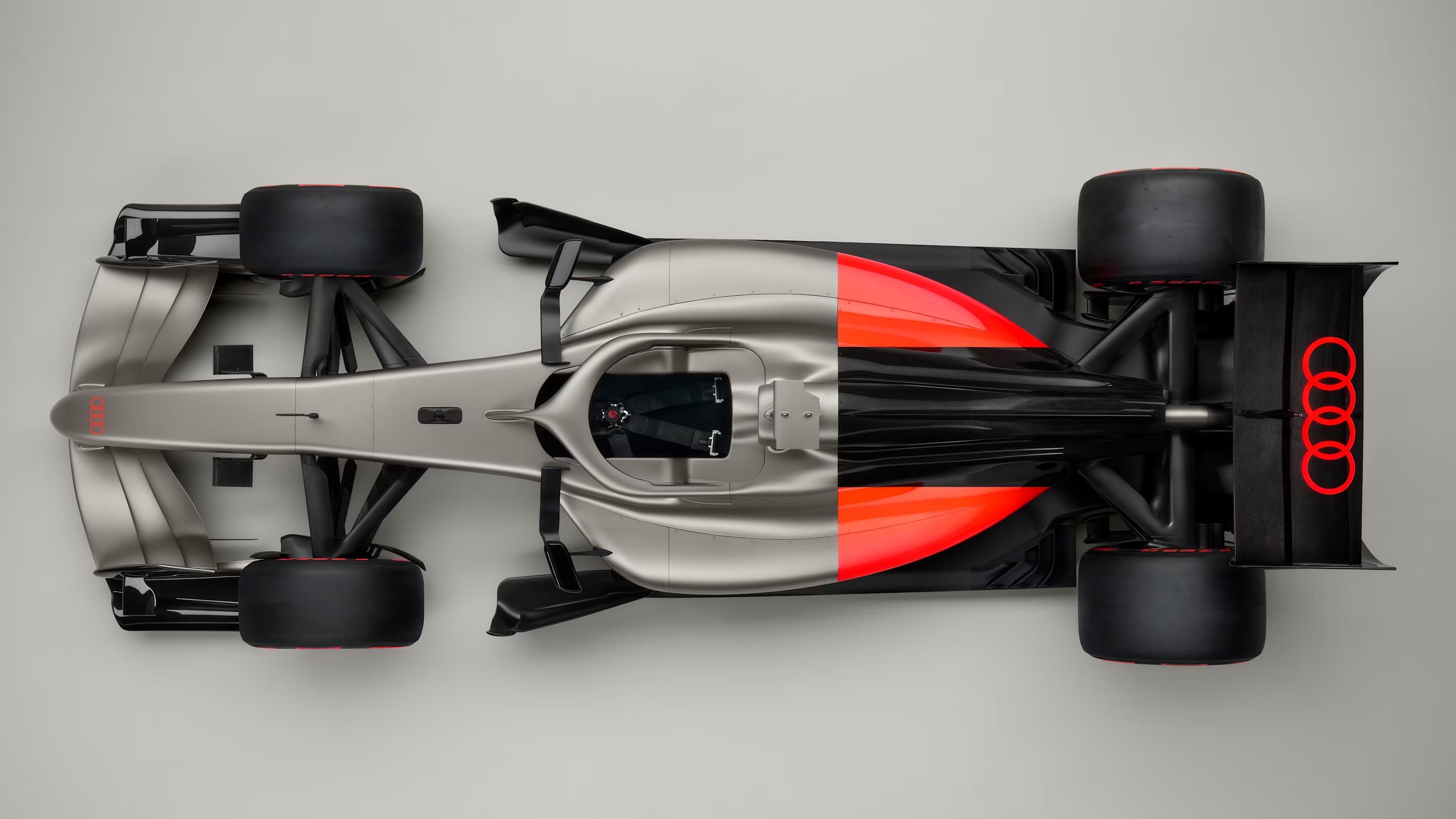
Audi revealed its livery concept ahead of its 2026 F1 debut, and most seem to have forgotten that this is just a concept - nothing more. Did the car look incredible? Absolutely. Will this most likely be the last time we see it looking like this? Absolutely. While I loved the livery concept and the event itself looked incredibly well-curated, the content coming out of it felt stale. Every video I watched on social media seemed to be a carbon copy of the exact same script and b-roll, with the main messaging focused on just how good the car looked. And it absolutely did, but this won’t be the car or livery we’ll see on track in 2026, so why focus so heavily on it? This got me thinking more broadly about livery versus car launches in Formula 1 and just how much they’ve changed over the years.
Genesis is leveraging its entry into the World Endurance Championship as a powerful marketing platform to establish credibility for its emerging supercar ambitions. The Korean manufacturer is positioning the Magma GT Concept as the foundation for long-term racing ambitions, creating a direct lineage between its GMR-001 hypercar competing in WEC and at Le Mans in 2026 and a future customer racing program. This allows Genesis to demonstrate technical prowess on motorsport’s most prestigious stages before asking customers to invest in six-figure supercars from a brand historically known for luxury sedans. By making the Genesis Magma Racing branding highly visible in endurance racing, with signature Magma orange livery designed to stand out on track (side note - we need to talk about the sheer amount of ‘orange’ we are seeing in racing lately). Genesis is building brand recognition among the exact enthusiast demographic that purchases high-performance vehicles, while the racing program provides invaluable engineering validation for the technology that will underpin production performance cars. The approach is distinctly modern in how Genesis is building an entire performance ecosystem rather than simply dropping a halo car into showrooms. The Magma GT Concept reportedly shares a modified version of the twin-turbo V-8 from the GMR-001 race car, creating tangible technical connections between the motorsport and road car programs. Genesis is also using its racing drivers to thread motorsport DNA throughout the entire performance lineup. Rather than treating racing as a separate marketing exercise, Genesis is using the WEC platform as a development laboratory and credibility builder, allowing the brand to organically grow into the supercar space with engineering substance to back up the bold styling - a crucial distinction when competing against established European marques with decades of motorsport heritage.
One video worth your time
This video showcases the airflow evolution in F1 over the years, but it also shows how much wider, longer and thus heavier these F1 cars have become.
One [event] that caught my eye
Last year, I was very fortunate to work with the incredible team at amfAR for their inaugural Las Vegas gala, which coincided (purposefully) with the Las Vegas GP.
AmfAR, a leading organisation dedicated to ending the global AIDS epidemic through research, public education, and public policy advocacy (a charity close to my heart) knows how to put on an incredible event with its mission at the centre. Last year’s event was already incredible, but this year they took it up a notch, and the Esses team and I were on-site to take it all in.
The tie to Formula 1 and motorsports came in the form of the ‘Award of Innovation’ to Gordon Murray - former racing car designer, renowned as lead designer for both the Brabham and McLaren Formula 1 racing teams- but what made the evening even more theatrical was the live auction of one of only five S1 LMs, which was helicoptered into the auction venue.
For about ten minutes, guests had to tilt their heads as flying above the Las Vegas skyline and the Wynn resort was the S1 LM, which was being auctioned off at a rapid rate. The sale represents something unprecedented in the collector car world. It was like nothing I had ever seen before, and will probably ever see again.
Unlike typical auction records involving completed vehicles, this particular result was for a car that isn’t built yet - the buyer purchased the first production slot of an ultra-exclusive five-car run. What they’re acquiring is far more than just a supercar: the winning bidder gains direct collaboration with legendary automotive designer Gordon Murray throughout the specification and build process, development drives with three-time Indianapolis 500 champion Dario Franchitti, and access to the engineering team during final calibration. Mark your 2026 agenda; this is the most glamorous event in Vegas during that race weekend, and I think it may become a staple of the LVGP weekend.
Really interesting on F1 viewership y/y growth - it was also at a more attainable time so I think it’s difficult to know if this was just the post college football crowd finally landing on it (vs super late in past years for most time zones).
The Merc deal is fascinating precedent for valuation in this new era of F1. I wonder whether a team like Williams could be next up to cash in. Dorilton bought Williams for $180M and it's now worth north of $2B. You have to wonder if there's appetite from similar buyers and a helpful boost to the Williams rebuild.